
In a world where innovation moves at lightning speed, smarter new tech is no longer a futuristic concept—it’s a vibrant reality reshaping our everyday experiences. Technology has evolved from simple tools into sophisticated systems capable of anticipating needs, learning behaviors, and adapting dynamically to their environment. This leap into intelligence is not just about adding features; it’s about fundamentally reimagining how devices and systems interact with humans and the world.
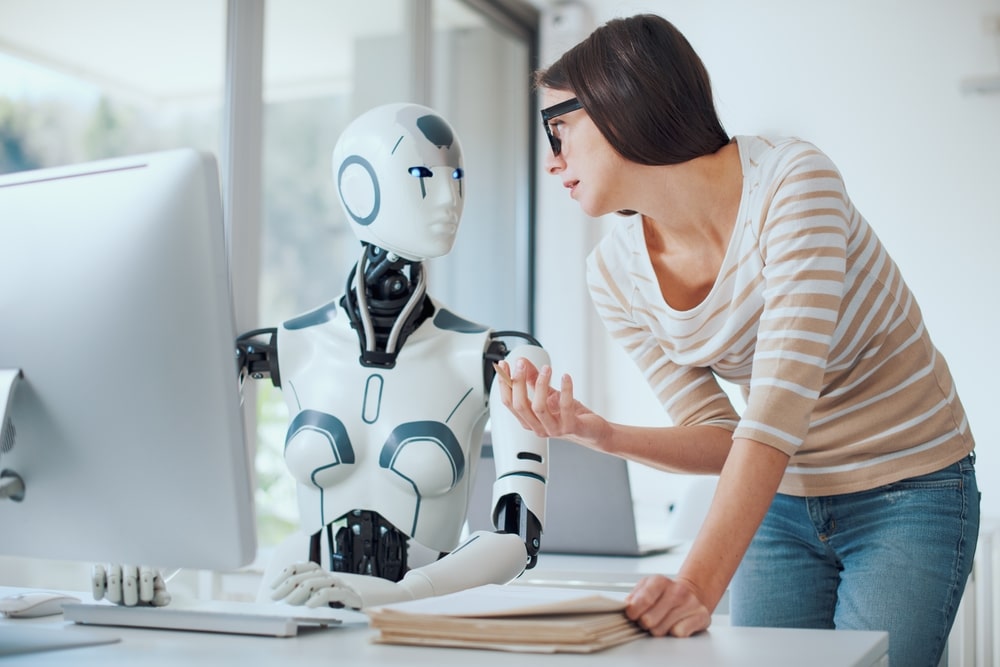
One cannot overstate the significance of artificial intelligence (AI) and machine learning (ML) in propelling this transformation. These technologies underpin the rise of smarter new tech, enabling machines to process data with an almost human-like intuition. From autonomous vehicles navigating complex urban landscapes to virtual assistants intuitively understanding context and emotions, the boundary between science fiction and reality has blurred. Today’s devices are imbued with the capacity to analyze, predict, and optimize in real time, delivering personalized, efficient, and surprisingly insightful outcomes.
Transforming Everyday Life and Industries
Consider the explosion of smart home technology. Gone are the days when gadgets simply responded to direct commands. Now, they anticipate household rhythms, adjust lighting to circadian cycles, optimize energy consumption based on weather forecasts, and even preheat ovens when your location signals you’re en route. This degree of sophistication stems from smarter new tech that integrates sensor fusion, edge computing, and cloud intelligence to create ecosystems that feel less mechanical and more like proactive collaborators.
Beyond the confines of domestic life, smarter new tech is revolutionizing industries at a foundational level. In healthcare, for instance, AI-powered diagnostic tools analyze imaging with unprecedented precision, uncovering subtle anomalies that might elude human eyes. Personalized medicine leverages genomic data combined with machine learning algorithms to tailor treatments specifically to individual profiles, enhancing efficacy and minimizing side effects. Wearable devices continuously monitor vital signs, flagging irregularities before they escalate into critical conditions.
Manufacturing, too, has been invigorated by the infusion of smarter new tech. The advent of Industry 4.0 introduces interconnected machinery capable of self-diagnosis and predictive maintenance. Factories equipped with intelligent robotics collaborate seamlessly with human workers, accelerating production while enhancing safety. These advances cultivate an environment where downtime is minimized, and resources are utilized with pinpoint efficiency.
The Fusion of Intelligence and Ethics
One of the most enthralling aspects of this technological renaissance is the integration of natural language processing (NLP) and augmented reality (AR) in consumer electronics. Devices are no longer just tools; they have become conversational companions, learning user preferences over time and providing intuitive assistance. AR overlays digital information onto the physical world, enriching everything from education and gaming to complex engineering tasks. The result is a hybrid experience that elevates human capabilities rather than replacing them.
What distinguishes the current wave of smarter new tech is not merely its functionality but its ethical considerations and human-centric design. Developers are increasingly embedding transparency, privacy safeguards, and inclusivity into the fabric of emerging technologies. This conscientious approach ensures that intelligence is wielded responsibly, fostering trust and promoting equitable access.
The explosion of 5G connectivity fuels this ecosystem by delivering unparalleled data speeds and ultra-low latency. This infrastructure enables real-time interaction between devices across vast distances, supporting innovations such as remote surgery, autonomous drone fleets, and hyper-responsive smart cities. The promise of smarter new tech is amplified exponentially when backed by robust and reliable networks.
Challenges and Opportunities Ahead
Of course, the journey toward this technological nirvana is not without its challenges. The complexity of managing massive data streams, ensuring cybersecurity, and mitigating algorithmic bias demands relentless innovation and vigilance. Yet, the collective momentum behind these advancements underscores a profound optimism—a belief that technology can be a powerful catalyst for positive change.
In education, smarter new tech transforms learning from a static process into an adaptive journey. Intelligent tutoring systems assess student comprehension in real time, customizing lessons to individual strengths and weaknesses. Virtual labs and simulations provide immersive experiences that transcend geographical and socioeconomic barriers. This democratization of knowledge holds the promise of fostering creativity and critical thinking on a global scale.
Moreover, environmental stewardship is being enhanced by intelligent sensors and AI models that monitor ecosystems, predict natural disasters, and optimize resource management. The integration of smarter new tech in sustainability initiatives exemplifies how innovation can harmonize with the planet’s well-being, forging a path toward a greener future.
Conclusion: Embracing a Smarter Future
In essence, the dawn of smarter new tech heralds an era where technology does more than assist—it anticipates, learns, and evolves. This synergy between human ingenuity and machine intelligence fosters unprecedented possibilities, transforming industries, lifestyles, and societies. Embracing this evolution requires openness to change and a commitment to ethical innovation, ensuring that the benefits of intelligence-driven technology are accessible to all.
The horizon gleams with promise. As smarter new tech continues to advance, it invites us to imagine a world where problems are solved before they arise, where creativity is amplified, and where connections deepen across the globe. It’s a thrilling time to witness and participate in this technological renaissance—one that redefines what it means to be truly smart.
About the Author


