
Customer expectations have never been higher. People expect instant responses, personalised interactions, seamless journeys across channels, and resolution of their problems at the first point of contact. Meeting these expectations at scale — consistently, cost-effectively, and across every customer touchpoint — was genuinely difficult before AI. With AI, it is becoming achievable in ways that are reshaping competitive dynamics across virtually every consumer-facing industry.
In this article, we explore how AI is transforming both customer experience and customer service — two closely related but distinct disciplines — and what businesses need to understand to deploy AI in these areas effectively and responsibly.

Customer Experience vs Customer Service: Understanding the Distinction
Before exploring how AI is changing these fields, it is worth being precise about the distinction between them. Customer experience (CX) refers to the totality of a customer’s interactions with a brand across the entire relationship — from first awareness through purchase, use, support, and renewal or advocacy. It encompasses every touchpoint, every channel, and every moment that shapes how a customer feels about a company.
Customer service, by contrast, refers specifically to the support and assistance provided to customers when they have questions, problems, or needs. It is a critical component of the overall customer experience, but it is one element rather than the whole. AI is having significant impacts on both — and understanding the distinction helps clarify where different AI applications are most relevant.
AI in Customer Experience: Personalisation at Scale
The fundamental promise of AI in customer experience is the ability to deliver genuinely personalised experiences at a scale that was previously impossible. Human beings are extraordinarily good at personalising interactions when they know someone well — a skilled relationship manager, a knowledgeable salesperson, an attentive account manager. The challenge is delivering that quality of personalisation consistently across thousands or millions of customer relationships simultaneously. That is precisely what AI enables.
Hyper-Personalisation Across Channels
AI systems can analyse vast quantities of customer data — purchase history, browsing behaviour, service interactions, demographic information, real-time contextual signals — to build detailed individual profiles that inform every customer interaction. Product recommendations that genuinely reflect individual preferences rather than broad segment assumptions. Email communications timed and worded based on individual engagement patterns. Website experiences that adapt in real time based on who is visiting and what they are likely to need. Offers and promotions calibrated to individual price sensitivity and purchase propensity.
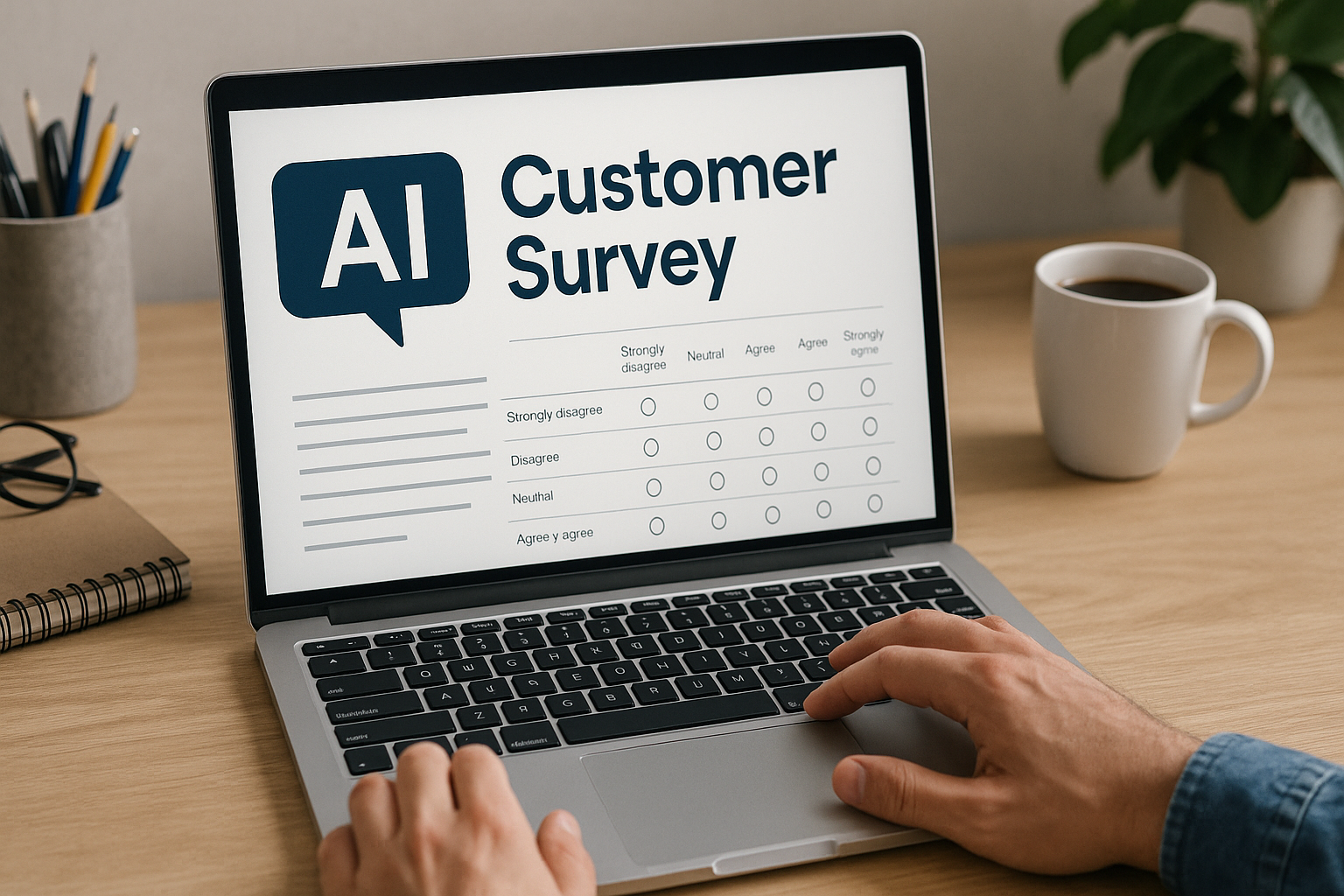
The degree of personalisation that leading AI-powered CX systems now deliver would have been considered extraordinary just five years ago. Retailers, streaming services, financial institutions, and technology companies have demonstrated at scale that AI-driven personalisation drives measurable improvements in customer satisfaction, engagement, conversion, and retention.
Customer Journey Analytics and Optimisation
AI is transforming how businesses understand and optimise the customer journey. Traditional journey mapping relied on surveys, focus groups, and analysis of aggregated data — valuable but inherently limited by sample sizes, recency, and the difficulty of capturing the full complexity of real customer behaviour. AI-powered journey analytics can process data from every customer interaction across every channel in real time, building dynamic maps of how customers actually move through their relationships with a brand rather than how they are supposed to.
This enables identification of friction points, drop-off moments, and unexpected paths that would be invisible in traditional analysis. It also enables predictive intervention — identifying customers who are at risk of churning before they have made the decision to leave, and triggering personalised outreach or offers designed to address their specific concerns.

Voice of the Customer at Scale
Understanding what customers actually think and feel has always been a challenge. Surveys capture a fraction of customers, often those with strong opinions, and by the time results are analysed the moment for action may have passed. AI is changing this fundamentally. Natural language processing can analyse customer reviews, social media mentions, support interactions, and open survey responses at massive scale, extracting sentiment, identifying themes, and flagging emerging issues in near real time.
This gives businesses a genuinely continuous, comprehensive view of customer sentiment rather than periodic snapshots — enabling faster identification of problems, more accurate understanding of what customers value, and better-informed decisions about where to invest in experience improvement.

A/B Testing and Continuous Optimisation
AI is dramatically accelerating the pace at which customer experience can be tested and optimised. Traditional A/B testing involves running experiments over weeks or months to accumulate statistically significant results. AI-powered multivariate testing can run hundreds of simultaneous experiments, automatically allocate traffic to better-performing variants, and learn from results in real time — compressing what used to take months into days or even hours. This enables a cadence of continuous improvement that compounds significantly over time.
For a comprehensive guide to how AI is reshaping every dimension of customer experience — from personalisation strategy to journey analytics to the ethical considerations around customer data — the AI Awareness guide to AI in customer experience provides authoritative, detailed coverage of the key trends, technologies, and implications for CX professionals.
AI in Customer Service: Speed, Scale, and Smarter Support
Customer service has been one of the earliest and most intensively AI-disrupted business functions — and with good reason. It involves high volumes of repetitive interactions, generates rich data that AI systems can learn from, and presents clear metrics against which AI performance can be measured. The results of AI adoption in customer service are already substantial, and the pace of change is accelerating.
Conversational AI and Intelligent Chatbots
The first generation of customer service chatbots was limited and often frustrating — capable of handling only a narrow range of scripted queries and conspicuously failing when customers deviated from expected patterns. The current generation of conversational AI, built on large language models and trained on extensive customer service data, is dramatically more capable. Modern AI assistants can handle complex, multi-turn conversations, understand context and intent, access customer account information and order history in real time, and resolve a wide range of service requests without human intervention.
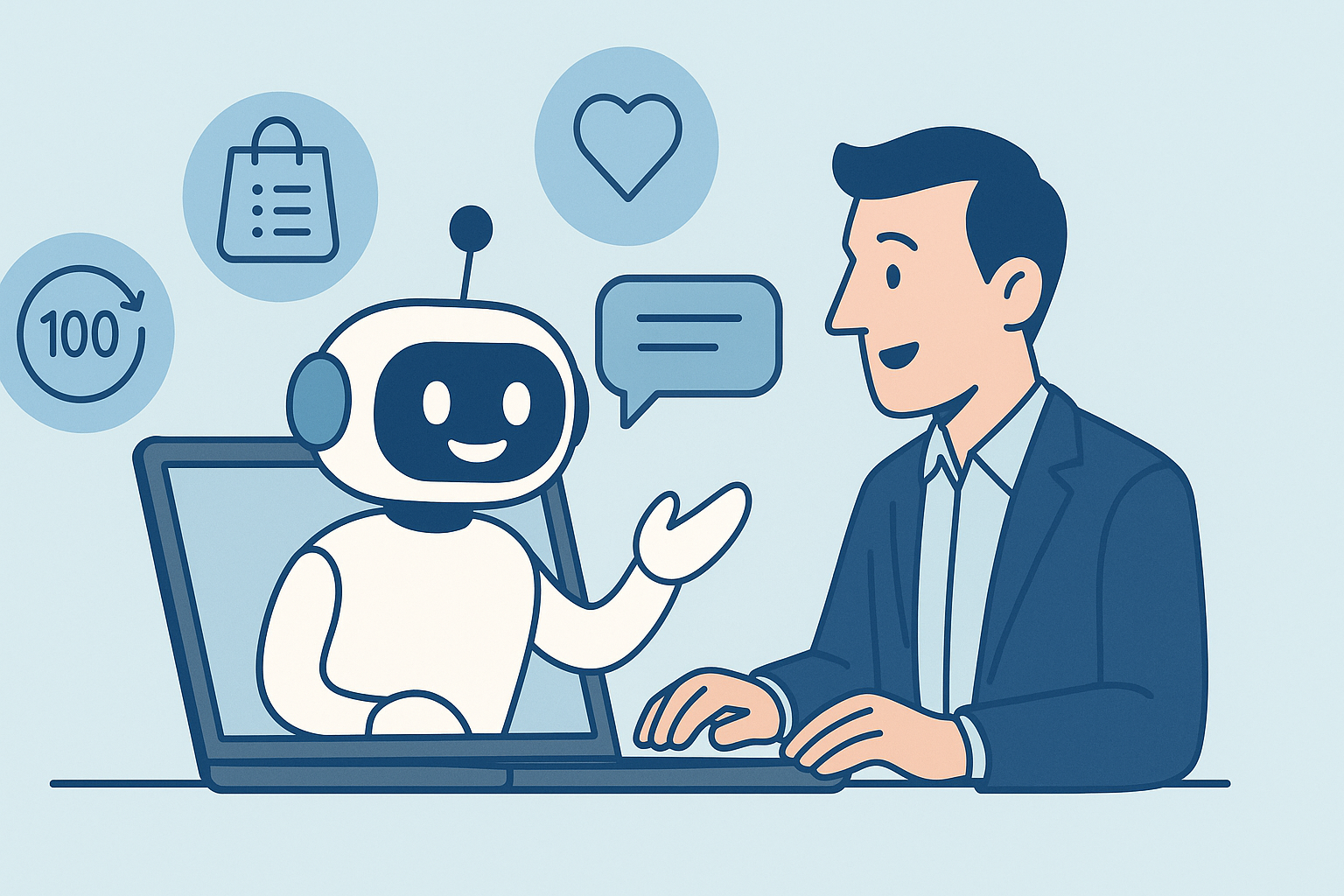
Leading deployments are now resolving 60-80% of customer contacts without human agent involvement — handling routine queries, processing transactions, updating accounts, and troubleshooting common issues around the clock without queues or wait times. Customer satisfaction scores for well-designed AI-handled interactions are increasingly comparable to human-handled ones for routine query types, though significant gaps remain for complex, emotionally charged, or novel situations.
AI-Augmented Human Agents
For interactions that require human handling, AI is transforming agent productivity and effectiveness. Real-time AI assistance can provide agents with relevant customer context, suggested responses, knowledge base articles, and next-best-action recommendations as the conversation unfolds — reducing the cognitive load on agents and enabling faster, more accurate resolution. AI can automatically summarise call or chat transcripts, eliminating after-call work. Sentiment analysis can flag calls where customers are becoming frustrated, enabling supervisors to intervene or agents to adapt their approach.

The most effective customer service operations are not choosing between human agents and AI — they are combining both, with AI handling volume and routine work while human agents focus on complex, high-value, and emotionally sensitive interactions where human judgement, empathy, and relationship-building skills remain essential.
Intelligent Routing and Prioritisation
AI is significantly improving how customer contacts are routed and prioritised. Rather than simple skills-based routing that matches query type to agent capability, AI-powered routing systems can consider the full context of a customer’s situation — their history, sentiment, predicted needs, lifetime value, churn risk — and match them to the agent most likely to deliver the best outcome for that specific customer at that specific moment. This improves both resolution rates and customer satisfaction while making better use of the skills distribution across agent teams.
Quality Assurance and Compliance
Traditional customer service quality assurance involves sampling a small percentage of interactions for review — typically two to five percent. AI-powered quality management systems can analyse 100% of interactions, automatically scoring them against quality frameworks, identifying compliance risks, flagging training needs, and providing consistent, objective feedback at a scale and speed that manual QA cannot approach. For regulated industries where what agents say to customers carries legal and compliance significance, this capability is particularly valuable.

Predictive Service and Proactive Outreach
The most sophisticated AI-powered customer service operations are moving beyond reactive support to proactive service — identifying issues before customers are even aware of them and reaching out to resolve them. Airlines that proactively rebook passengers before they discover their flight has been cancelled. Utilities that alert customers to potential billing anomalies before the invoice arrives. Software companies that identify usage patterns suggesting a customer is about to encounter a problem and trigger preventive support. This shift from reactive to proactive service represents a fundamental change in the customer service model — and AI makes it achievable at scale.
For professionals in customer service seeking to understand the full landscape of AI’s impact — from conversational AI deployment to agent augmentation to the workforce and operational implications of AI adoption — the AI Awareness guide to AI in customer service provides comprehensive, practical guidance on how to navigate this rapidly evolving field.
The Human Dimension: What AI Cannot Replace
Amid the enthusiasm for AI in customer experience and service, it is important to be clear about what AI cannot — and should not — replace. Human empathy, genuine emotional connection, creative problem-solving in novel situations, and the ability to exercise nuanced judgement in ambiguous circumstances remain distinctively human capabilities. Customers dealing with bereavement, serious illness, financial distress, or complex disputes need human support — and the organisations that deploy AI in ways that eliminate human contact from these interactions risk significant reputational and relationship damage.
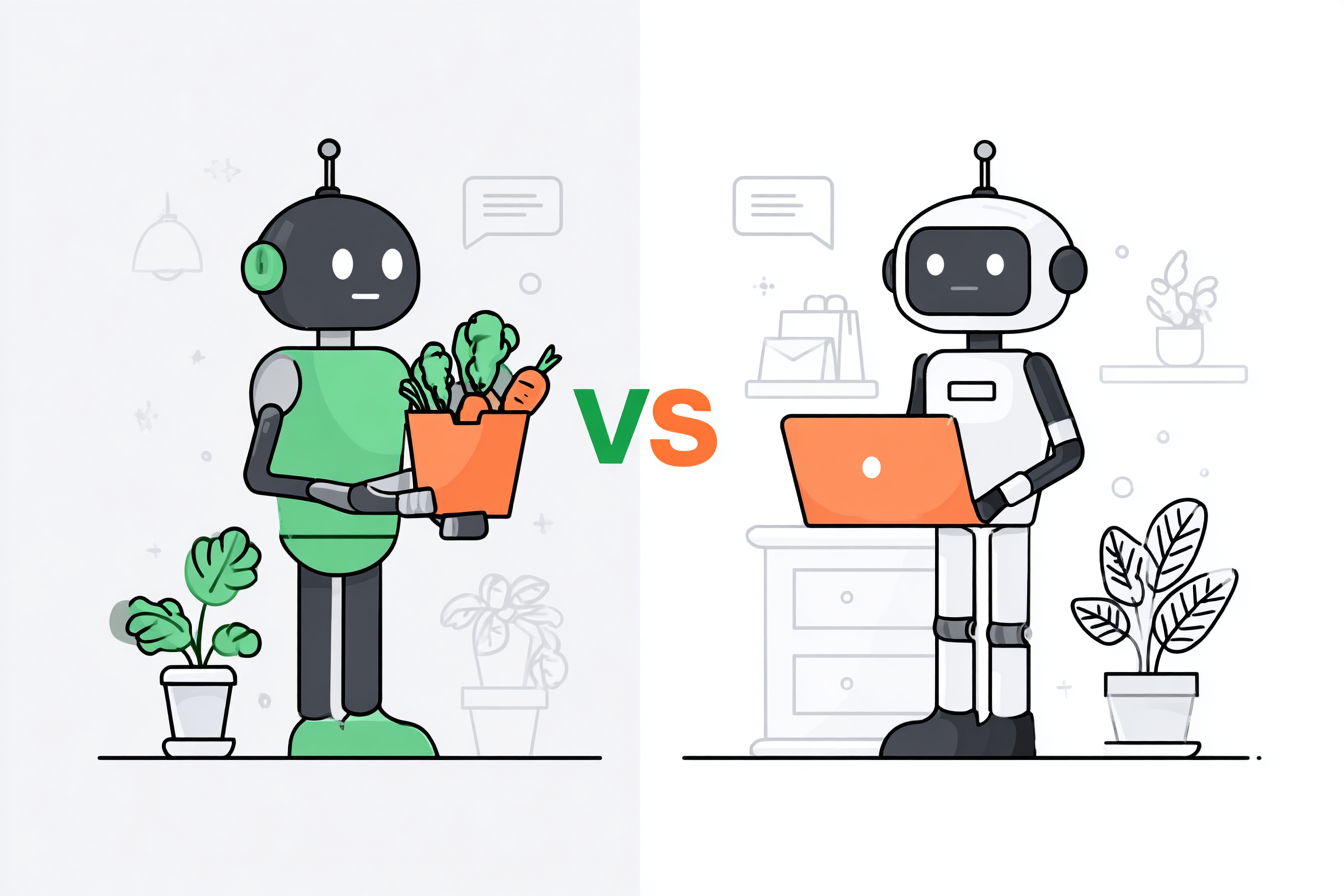
The most successful AI deployments in customer experience and service are those that use AI to handle what AI does well — speed, scale, consistency, data processing, pattern recognition — while preserving and enhancing the human elements of customer relationships that drive genuine loyalty and advocacy. Getting this balance right is both a strategic and an ethical imperative.
Privacy, Trust, and the Responsible Use of Customer Data
AI-powered personalisation and service optimisation depend on customer data — and this creates significant responsibilities. Customers are increasingly aware of how their data is used, and their trust is conditional on organisations using that data in ways that are transparent, fair, and genuinely in their interests. Regulatory frameworks like GDPR in Europe and equivalent legislation in other markets set minimum standards, but the businesses that build the strongest customer relationships are those that go beyond compliance to demonstrate genuine respect for customer privacy and data rights.
Organisations deploying AI in customer-facing contexts need clear policies on data collection and use, robust governance frameworks, and a genuine commitment to using AI to serve customer interests rather than simply to extract more value from customers. Trust, once lost through perceived misuse of data or AI, is extraordinarily difficult to rebuild.
Building AI Capability in Customer-Facing Teams
For all the technology involved, successful AI transformation in customer experience and service ultimately depends on people — on leaders who understand what AI can and cannot do, on teams who can work effectively alongside AI tools, and on organisations that can adapt their processes, structures, and cultures to capture the value that AI makes available.
This requires investment in AI literacy across customer-facing functions, not just among technology specialists. CX professionals need to understand how AI personalisation systems work and how to design strategies that leverage them effectively. Customer service managers need to understand how to optimise the human-AI mix in their operations. Contact centre agents need to work effectively with AI assistance tools rather than around them. Building this capability systematically is as important as selecting the right AI technology — and organisations that neglect it consistently underperform those that invest in it.
The transformation of customer experience and customer service by AI is well underway, and the pace of change will only accelerate. The businesses that will lead are those that combine technological ambition with genuine customer focus, responsible data practices, and the human capability to make AI work in service of real customer relationships.
About the Author


